Back pain is very common and, in most cases, there is no single serious cause behind it. It usually improves within a few weeks, although it can come back. This page is general education, not a diagnosis of your pain.
Why backs hurt
Most back pain is described as non-specific, which means no single structure can be identified as the cause. It is often linked to a combination of everyday factors rather than damage:
- Awkward lifting, twisting or a sudden movement.
- Long periods sitting or standing in one position, including at a desk or driving.
- Being less active than usual, or a sudden increase in activity.
- Sleep, stress and low mood, which all affect how pain is experienced.
- Being run down, unwell or tense for a prolonged period.
Sometimes pain travels from the back down the leg. Pain, numbness or tingling that runs from the lower back through the buttock and down one leg is often described as sciatica, which usually improves over time but is worth discussing with a GP if it does not settle.
Self-care in the first few weeks
NHS advice for common back pain focuses on keeping moving and managing pain enough to do so.
- Stay active and carry on with daily activities as much as you can. Prolonged bed rest is not recommended.
- Keep moving gently, and build back up gradually rather than waiting to be pain-free.
- Try to continue working if you can; a phased or adjusted return is often better than a long break.
- Use heat, such as a heat pack or a warm bath, for stiffness and muscle tension.
- Consider over-the-counter pain relief if suitable for you. A pharmacist can advise on what is appropriate alongside any other medicines you take.
- Look at sleep, stress and general activity levels, since all three influence pain.
- Simple exercises, walking, swimming, yoga or pilates help many people, but choose something you can do comfortably and build up slowly.
Staying appropriately active
NHS advice is to stay active and continue with your normal activities as much as possible, including work. Build up your activity gradually rather than waiting until you are completely pain-free, and avoid prolonged bed rest. If an exercise or movement makes your pain worse, stop it and seek advice from a GP or a physiotherapist.
Hands-on treatments
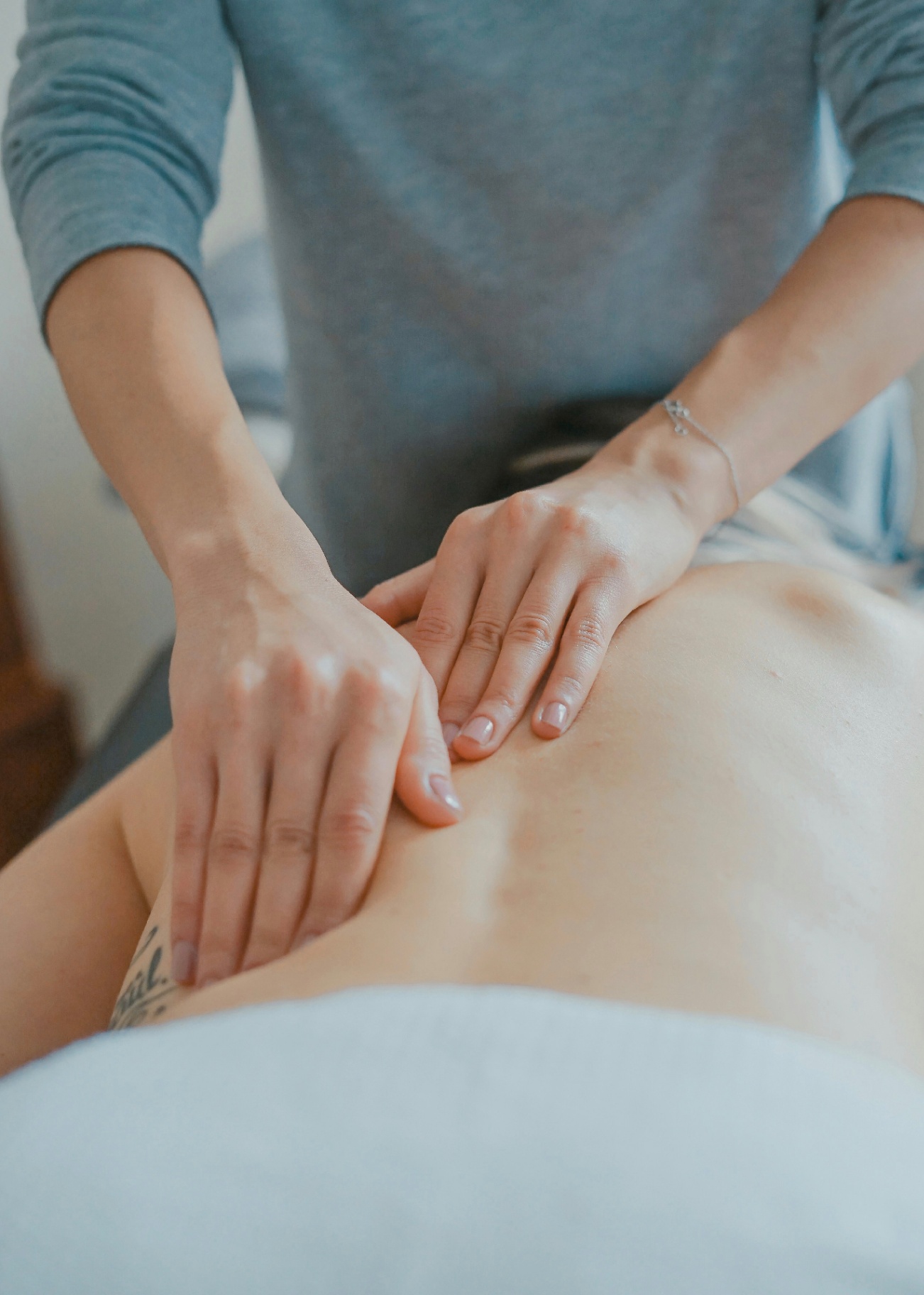
Some people find physiotherapy, osteopathy, chiropractic or massage helpful for back pain, particularly alongside staying active. None of these suits everybody, the response varies from person to person, and none should be presented as a guaranteed fix. If you choose to see a private practitioner, check they are registered with the relevant UK regulator or professional body, tell them about any other health conditions, and stop and seek medical advice if your symptoms change or worsen. A GP can also refer you to NHS physiotherapy, and in many areas you can self-refer.
When to see a GP
See a GP if:
- Back pain has not improved after home treatment for a few weeks.
- It is stopping your normal daily activities.
- You are worried or struggling to cope.
- You have unexplained weight loss.
- You have a lump, swelling or a change in the shape of your back.
- The pain does not improve after rest, or is worse at night.
- The pain is made worse by sneezing, coughing or opening the bowels.
- The pain is coming from the upper back.
Urgent help: GP or NHS 111
Contact a GP urgently or call NHS 111 if:
- You feel hot, cold, shivery or generally unwell.
- You have severe back pain that starts suddenly or is worsening quickly.
Call 999 or go to A&E
Call 999 or go to A&E immediately if you have back pain together with any of the following:
- Pain, tingling, weakness or numbness in both legs.
- Loss of feeling around the genitals or anus.
- Difficulty passing urine, or loss of bladder or bowel control.
- Changes in sexual sensation or function.
- Chest pain.
- Back pain that began after a serious accident.
Do not drive yourself to A&E.
These can be signs of a more serious problem that needs urgent assessment.
Practical next steps
- Keep moving and keep your normal routine going where you can.
- Use heat and, if suitable, over-the-counter pain relief so you can stay active.
- Note what makes it better and worse over a week or two.
- Ask a pharmacist about pain relief options.
- Contact a GP if it is not improving after a few weeks, or sooner if it is severe.
- Seek emergency care immediately if any red flag above applies.
If you and a clinician decide hands-on support is appropriate, you can browse physiotherapists, massage therapists and clinics in the Happy As Life directory and use search to find registered practitioners near you.
Sources
This content is informational, not medical advice. Always check with a qualified clinician before changing routines that affect your health. Some links may become affiliate links in future.
Frequently asked questions
Should I rest or keep moving with back pain?
How long does back pain usually last?
When is back pain an emergency?
Will physiotherapy or massage fix my back?
What is sciatica?
Does stress affect back pain?
Continue exploring
Three related pages worth reading next.
Find relevant support
Search approved UK wellness businesses and filter by city, category and online availability.
Do you provide this kind of support in the UK?
Add a free profile so people searching here can find you, or claim a listing that already exists so you can keep the details accurate. Paid placement is advertising and is labelled as such — it is never an editorial endorsement.