
Recovery: Rest, Reset and Feel Like Yourself Again
Recovery is not only what happens after exercise. It also includes sleep, quiet time, gentle movement, mental breaks and the everyday habits that help people restore their energy.
Most people know they should rest more and are vague about what that actually looks like on a Tuesday. This hub keeps it concrete: what recovery covers, the small resets that fit into an ordinary day, how to wind down in the evening, and how to build something you can keep going when the week gets busy.
General wellbeing information only — nothing here is medical advice. Persistent pain, severe or unexplained fatigue, or symptoms that worry you should be discussed with your GP or another appropriate healthcare professional.
What recovery really means
Not just what happens after exercise — and why that matters for how you plan your week.
Read this section →
Gentle movement after effort
Easy stretching, mobility and light activity that helps rather than adds more load.
Read this section →
Reset outdoors
Daylight, fresh air and a short walk — the most reliable reset most of us have.
Open the hub →
A routine you can keep
Small habits, repeated, beat an ambitious plan you abandon in a fortnight.
Read this section →
When rest isn't enough
Signs that tiredness or low mood deserves a conversation with someone qualified.
Read this section →What recovery really means
Recovery is the time and conditions your body and mind need to return to a steady state after effort of any kind — a hard training session, a demanding week at work, a difficult few months, or simply a day with no gaps in it. It is not a reward for having earned it, and it is not the same as doing nothing.
It helps to think in three layers: physical recovery (sleep, food, hydration, easing off), mental recovery (attention off, no decisions, no screens) and social recovery (either company or the absence of it, depending on what drained you). Most people are reasonably good at one of these and neglect the other two.
The practical test is simple: do you start the next day with something in the tank? If most mornings begin already depleted, the issue is usually not effort — it is that nothing in the day is set aside for restoring.
Recovery also compounds. One good night after a hard week does not undo the week; a fortnight of slightly earlier nights and a few genuine breaks usually does more than a single dramatic rest day.
Physical and mental recovery
Physical tiredness and mental tiredness feel similar and respond differently. Heavy legs after training want food, fluids, sleep and easy movement. A head that will not switch off after eight hours of meetings wants the opposite of more input — quiet, a change of scene, something with no outcome attached.

Getting the wrong kind of rest is common: scrolling on the sofa after a mentally exhausting day keeps the same system working. Cooking, walking, gardening, a bath, a phone call with someone easy — all of these rest attention in a way a screen rarely does.
If low mood, worry or feeling flat has lasted for weeks rather than days, that is worth talking about with someone qualified. Our mental wellbeing hub is a starting point, and how to find a therapist covers the practical side.
Gentle recovery after movement
After a hard session, the useful things are unglamorous: something to eat with protein and carbs in it, fluids, and a night of decent sleep. Everything else — stretching, rolling, cold, compression — sits somewhere between mildly helpful and pleasant, and none of it replaces those three.
Easy movement the day after usually beats total stillness. A twenty minute flat walk, some gentle mobility on the floor, or an easy swim keeps you loose without adding load. The test is that you finish feeling better than you started.
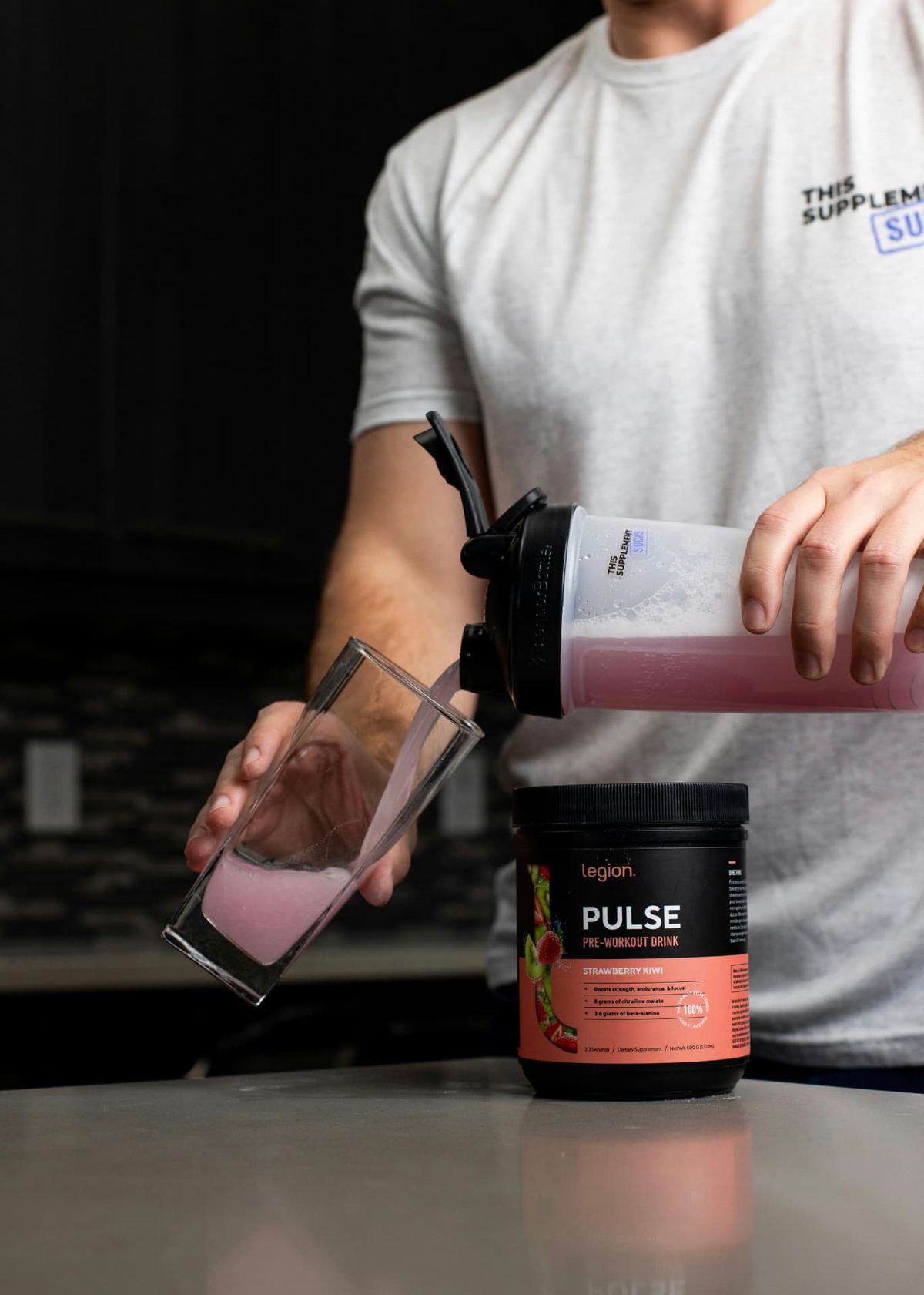
Supplements and recovery drinks are optional extras, not foundations. If you use them, treat them as convenience rather than necessity — and check anything new with a pharmacist or GP if you take regular medication.
For tools, therapists and treatments in this space, the fitness and recovery category lists brands and services already on Happy As Life.
Short resets during a busy day
A reset does not need to be ten minutes of anything formal. Ninety seconds of slower breathing, a walk to fill a glass of water, standing at a window, or stepping outside between two calls all interrupt the momentum of a day that is running you.
Two rules make them work. Take them before you feel wrecked rather than after, and change something physical — posture, light, temperature, room. A break taken in the same chair looking at the same screen is not a break.
If you want something more structured, short guided practices give the break a shape, which makes it far more likely to actually happen.
Rest and recovery at work
Most working days are built for output and not for restoring. You rarely get a break handed to you, so it helps to build two or three fixed ones into the calendar: a real lunch away from the desk, a mid-afternoon walk, and a firm end to the day.
Long stretches without a pause do not produce more work, just slower work. Blocks of roughly an hour with a short reset between them suit most people, and the reset is what stops 4pm becoming a write-off.
If you are trying to make this normal for a team rather than only for yourself, the workplace wellbeing hub covers culture, workload and burnout, and stress management covers the personal side.
Evening habits that help you switch off
The hour before bed decides a lot about the night that follows. A wind-down does not have to be elaborate — dimmer light, a warm shower, laying out tomorrow's clutter, ten pages of something undemanding. The point is a signal, repeated, that the day is finishing.
Two common blockers: doing admin late (email, banking, planning), which restarts the thinking, and a bright, busy room right up to the moment the light goes off. Both are easier to change than sleep itself.
Alcohol is worth a mention because it feels like it helps. It makes people fall asleep faster and wake more during the night, so an evening drink often shows up as a tired morning rather than a rested one.
Sleep is the part that does the most
No other recovery habit comes close. Regular sleep and wake times, a cool dark room, daylight in the morning and caffeine finished by early afternoon cover most of what is within your control.
Consistency matters more than the exact hours. A steady seven hours usually beats a ragged pattern that averages eight, because the body clock responds to regularity rather than to totals.
Our sleep hub goes into routines, environment and tools in more detail, and "why am I tired all the time?" covers the point at which tiredness is worth investigating rather than managing.
Recovery through nature
Time outdoors is one of the few restorative things that costs nothing and needs no planning. Daylight helps the body clock, green space consistently improves how people rate their mood, and a slow walk somewhere quiet rests attention in a way that sitting indoors does not.

Aim for one unhurried outing a week somewhere with trees, water or a view, and short doses of daylight on the other days — even ten minutes at lunchtime counts. Weather changes the experience, not the benefit.
Walking is the easiest way in. Walking for Wellbeing covers routes, habits, mindful walking and finding people to walk with.
Building a recovery routine you can keep
Pick three things, not ten: one daily (a short reset or a walk), one nightly (a wind-down cue), and one weekly (a longer outing, a proper day off, a treatment you find genuinely useful). Attach each one to something that already happens so it needs no decision.
Then define the bad-week version in advance. If the full routine is a twenty minute walk, the minimum is five minutes outside. Keeping the smallest version alive through a hard fortnight is what stops the habit disappearing entirely.
Review it occasionally rather than constantly. If something has not happened for a month, it is probably not the right habit for your life — swap it rather than feeling guilty about it.
When discomfort or exhaustion needs advice
Rest fixes most ordinary tiredness. Speak to your GP if fatigue has lasted for weeks and is not improving with sleep, if you are losing weight without trying, if pain wakes you at night or stops your normal activities, or if you feel persistently low, anxious or unable to cope. If you are in crisis, contact NHS 111 or your local emergency services.
For hands-on help — physiotherapy, sports massage, remedial treatment, or a coach who can adjust your training load — browse verified businesses in the Happy As Life directory, start from your area in local wellness, or search the site for what you need.